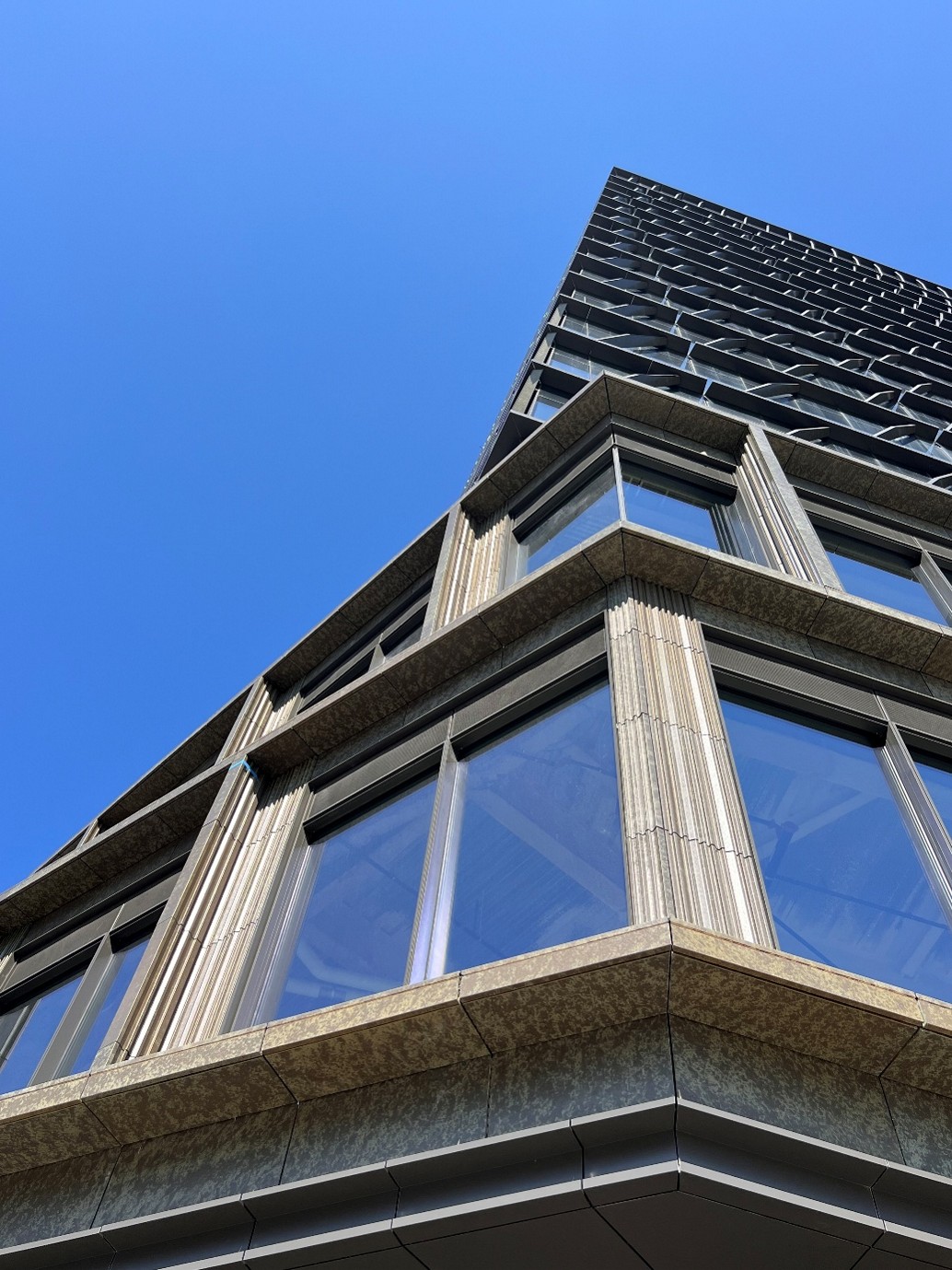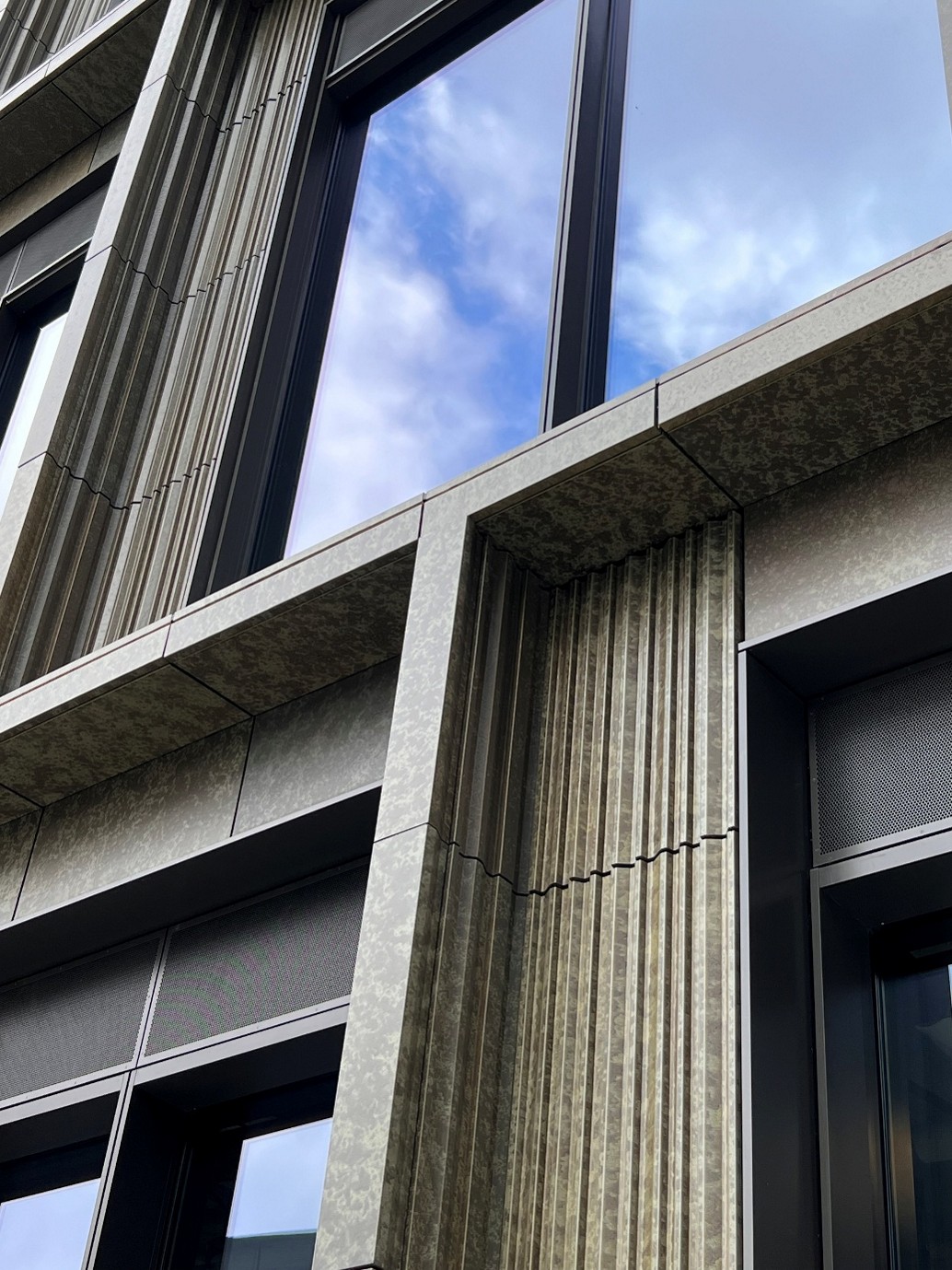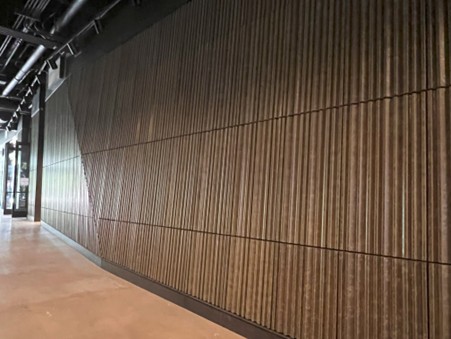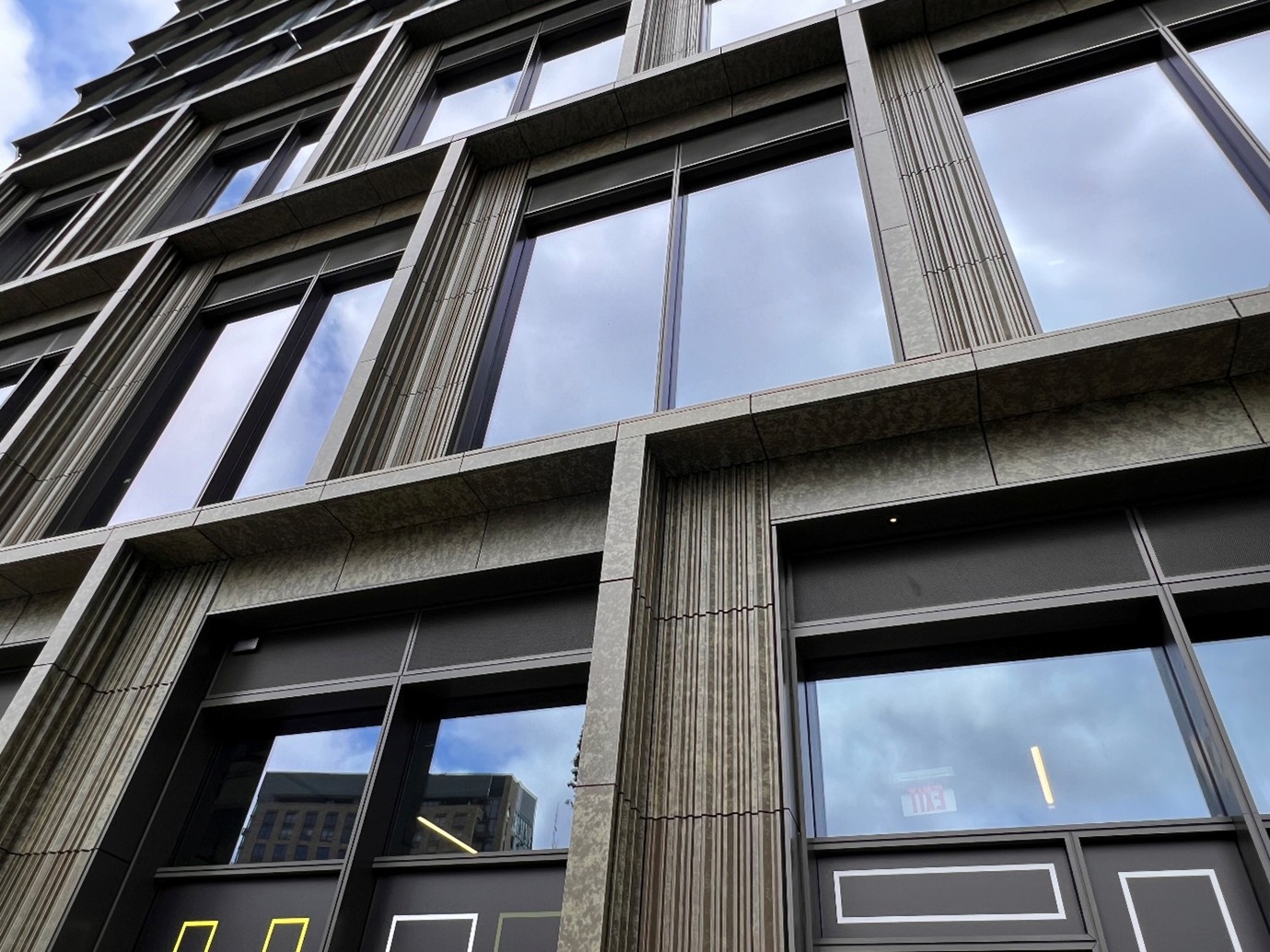
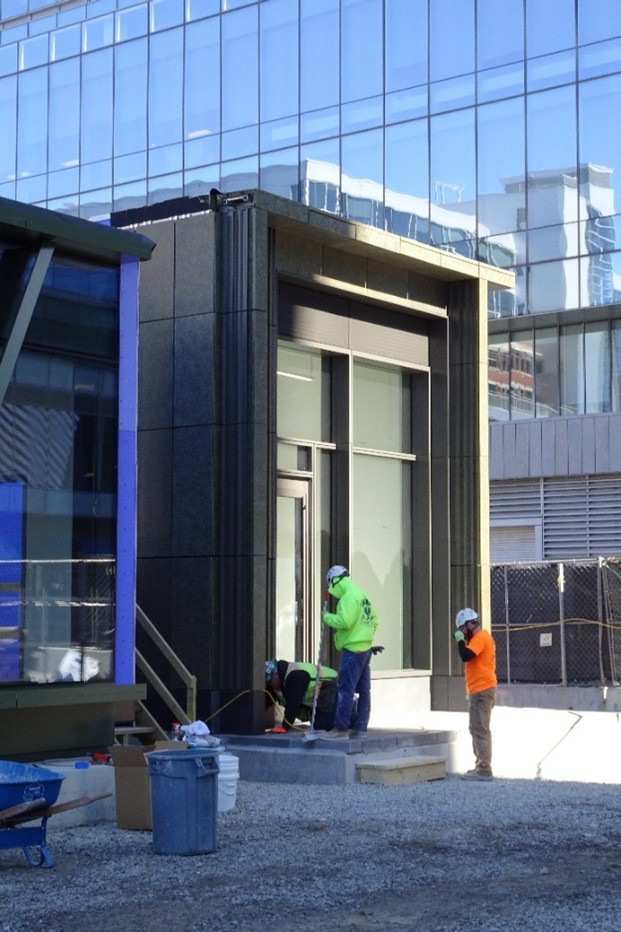
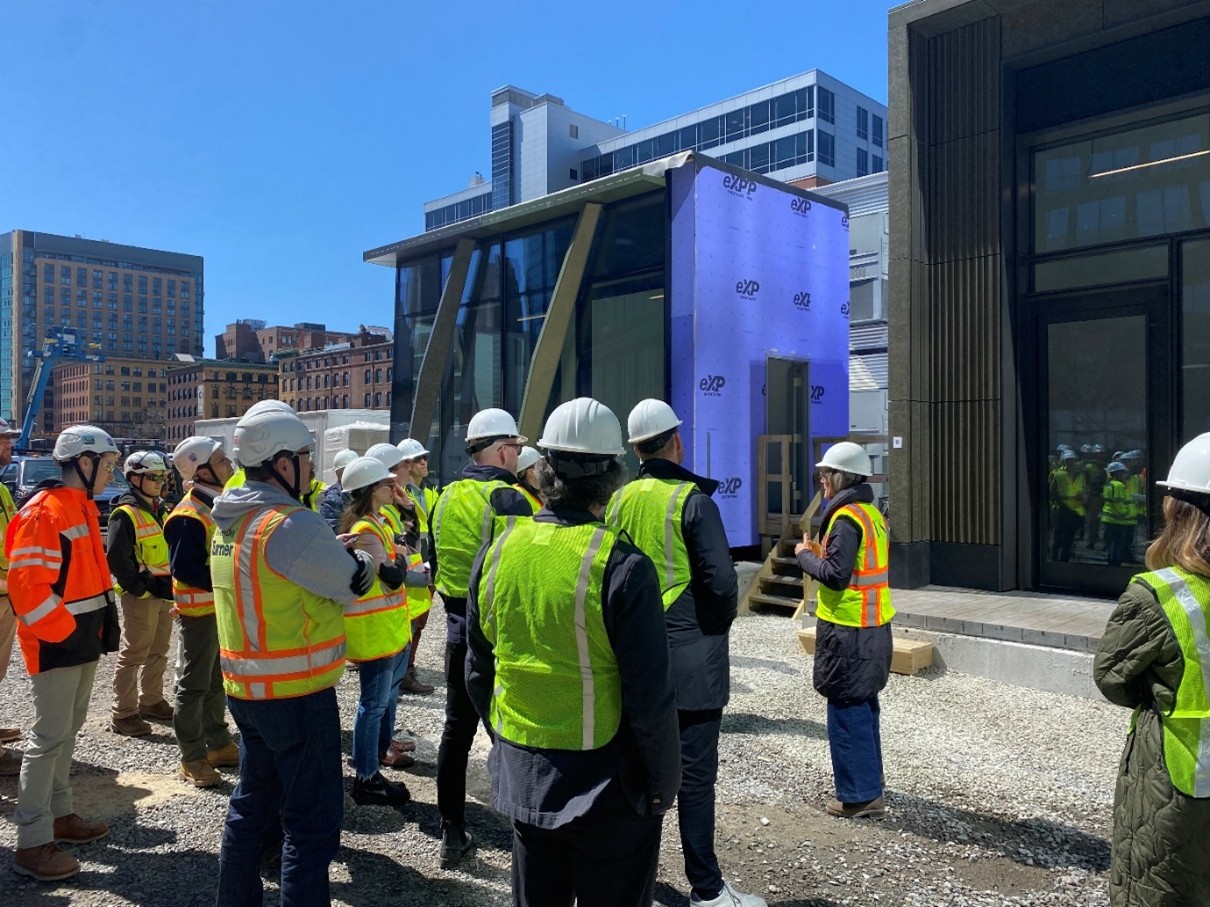
Nowadays, an increasing number of architects seek a deeper understanding of materials, questioning how to shape and achieve aesthetics that genuinely relate to the chosen material. One Boston Wharf Road exemplifies this approach.
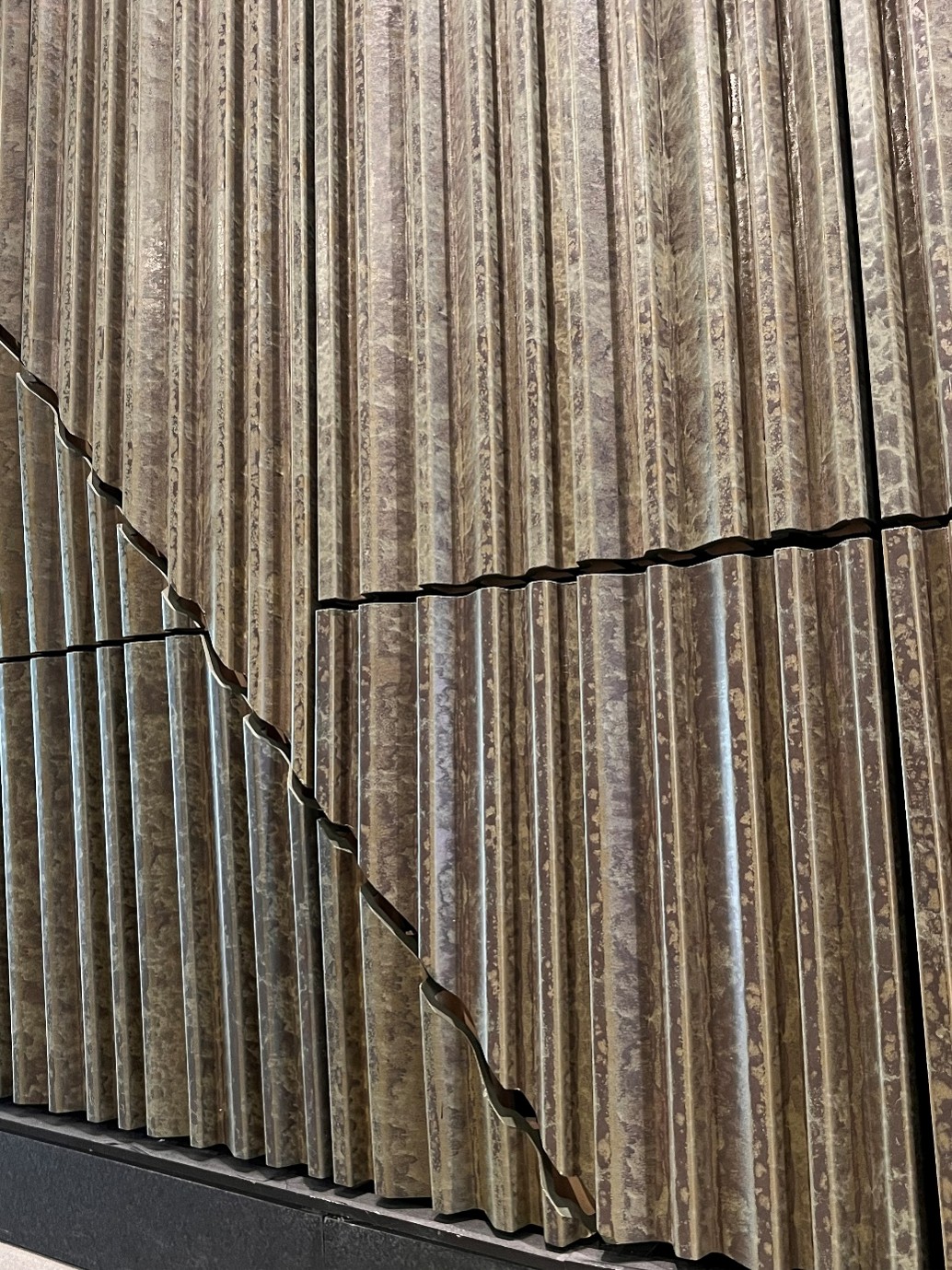
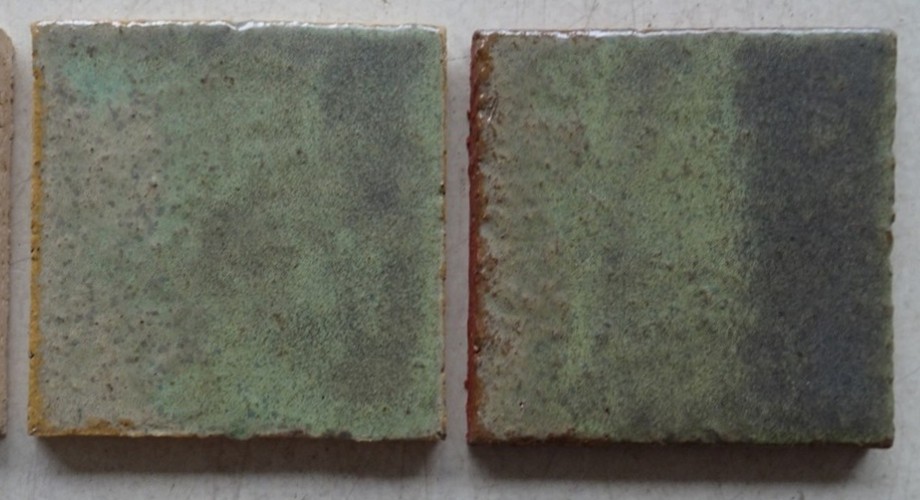
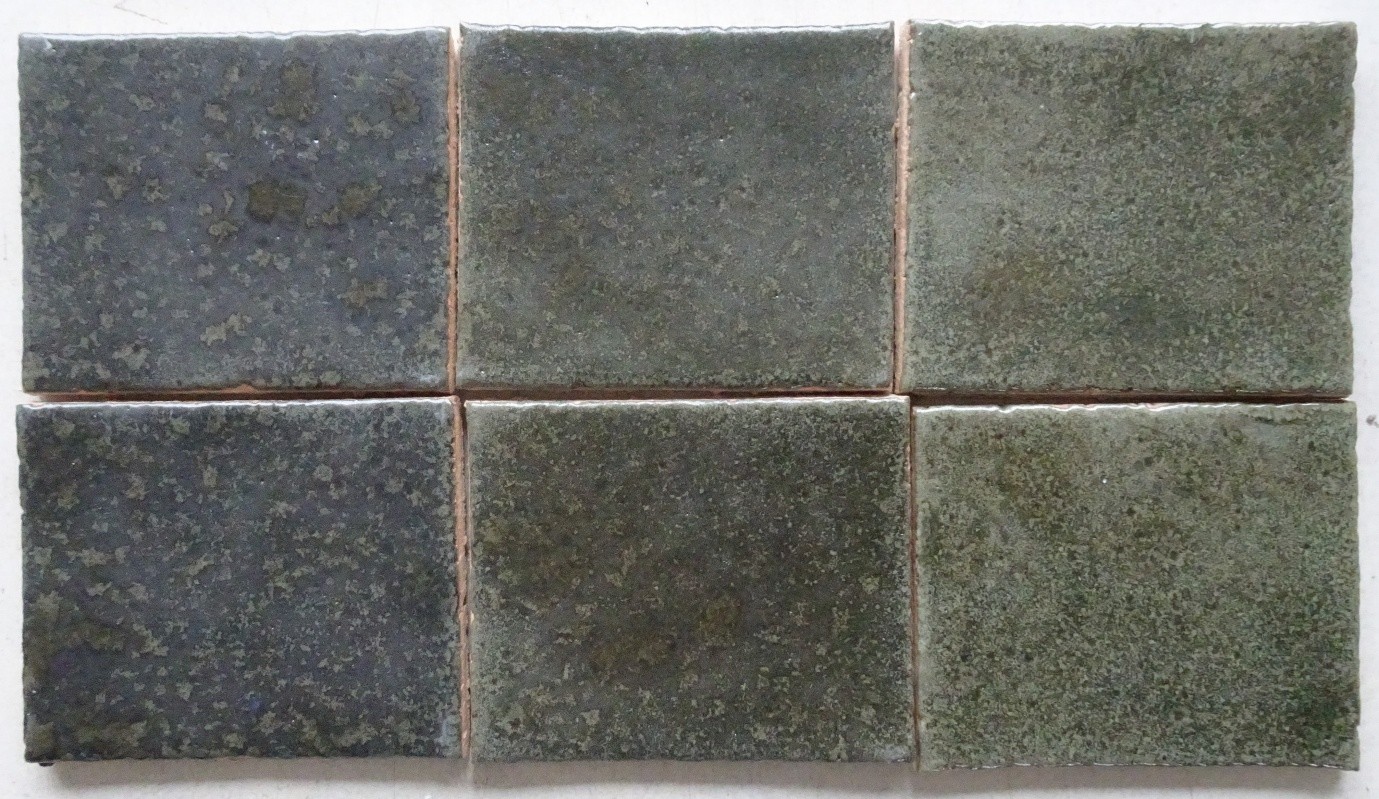
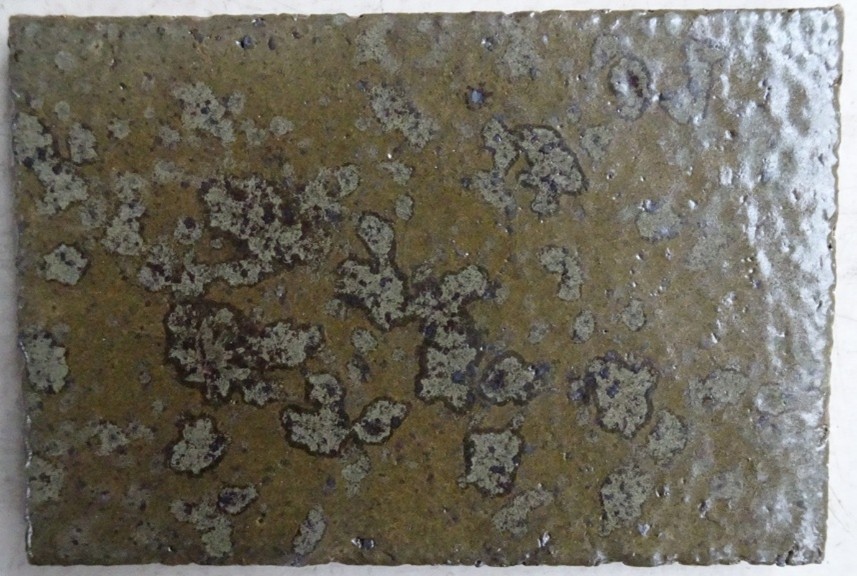
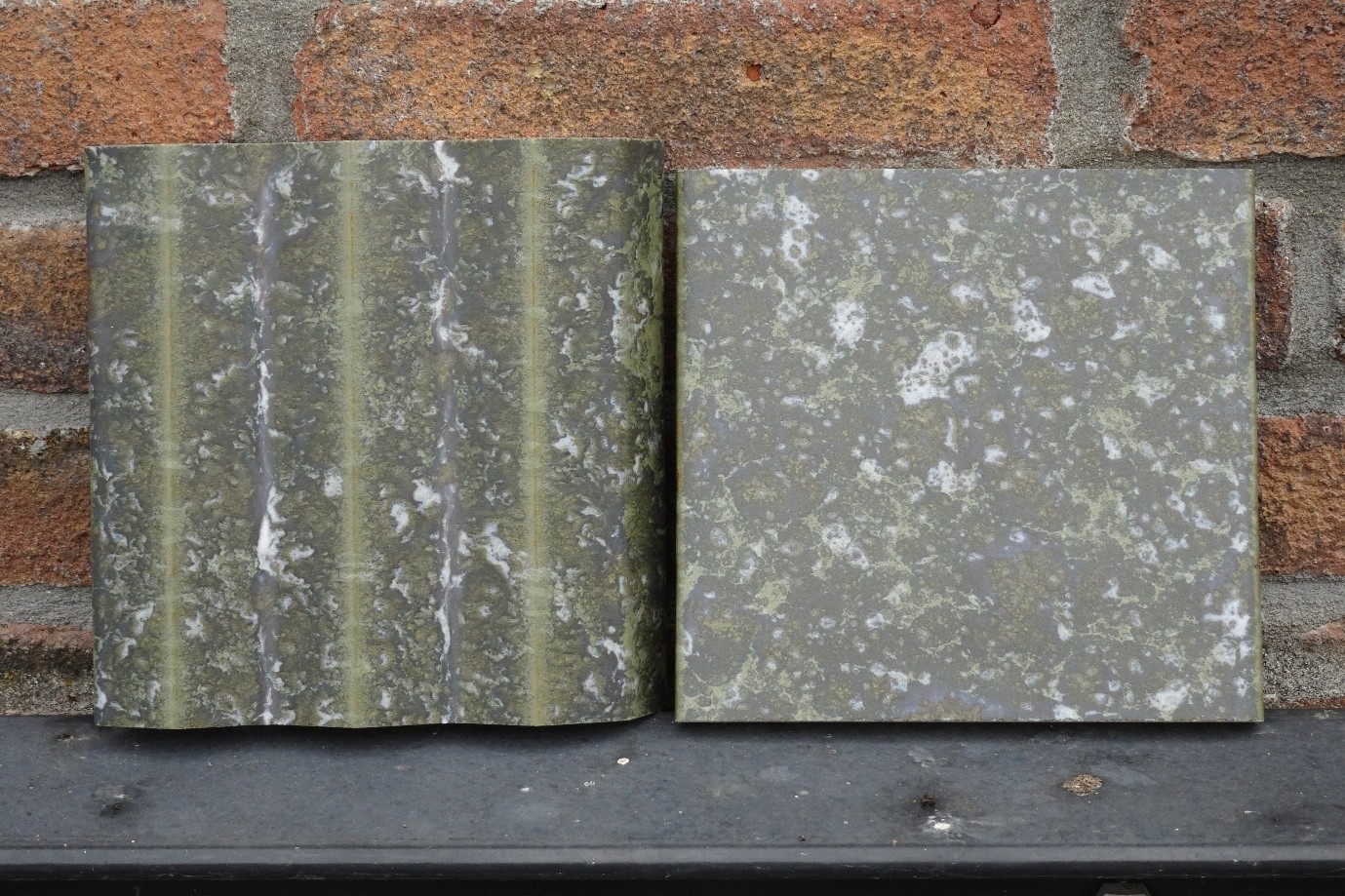
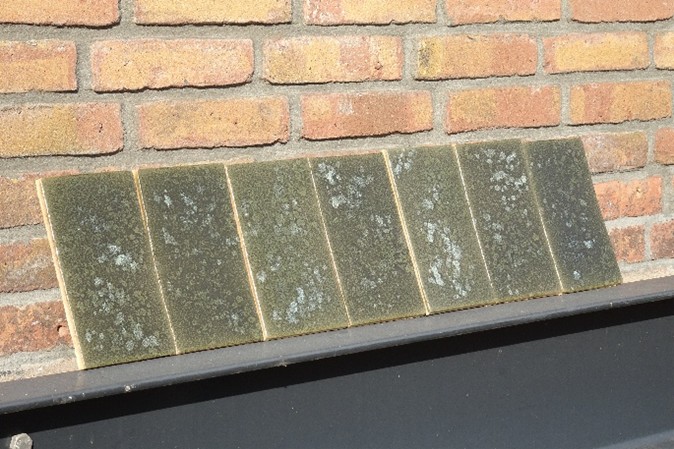
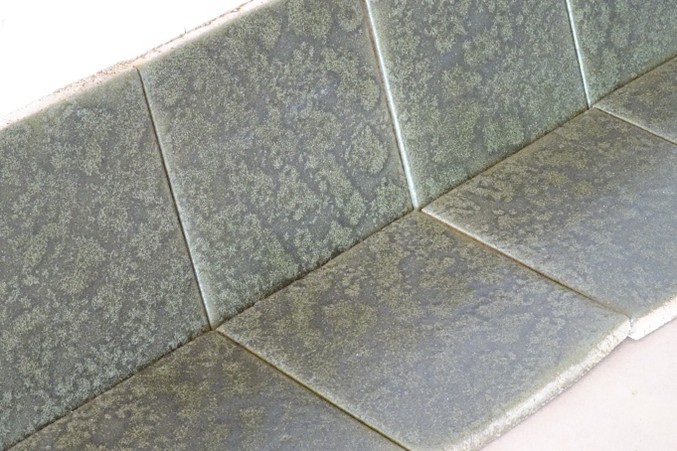
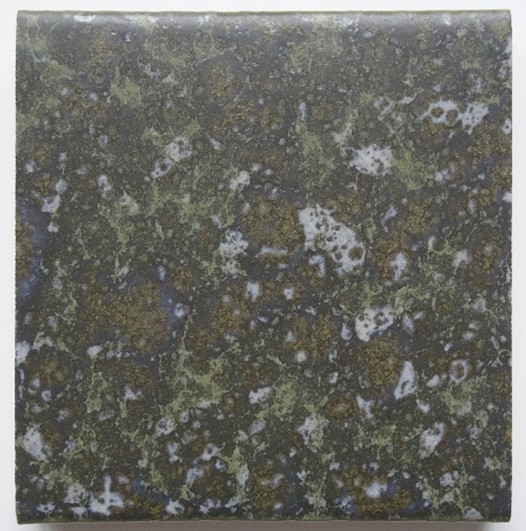
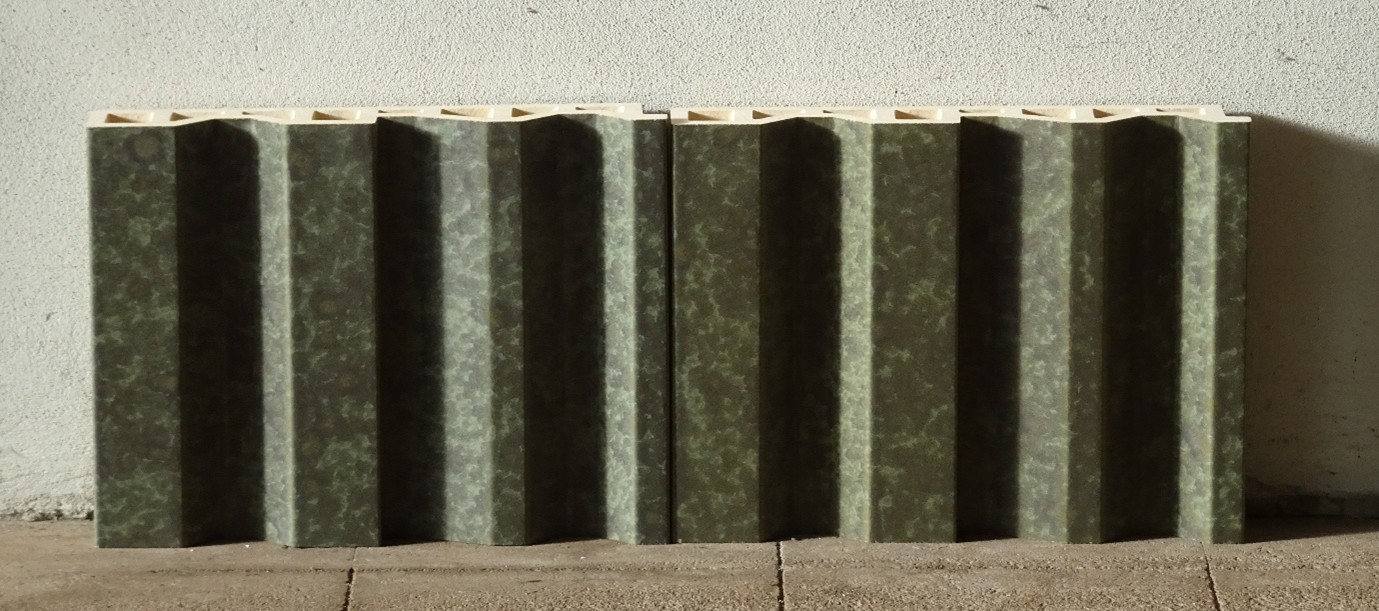
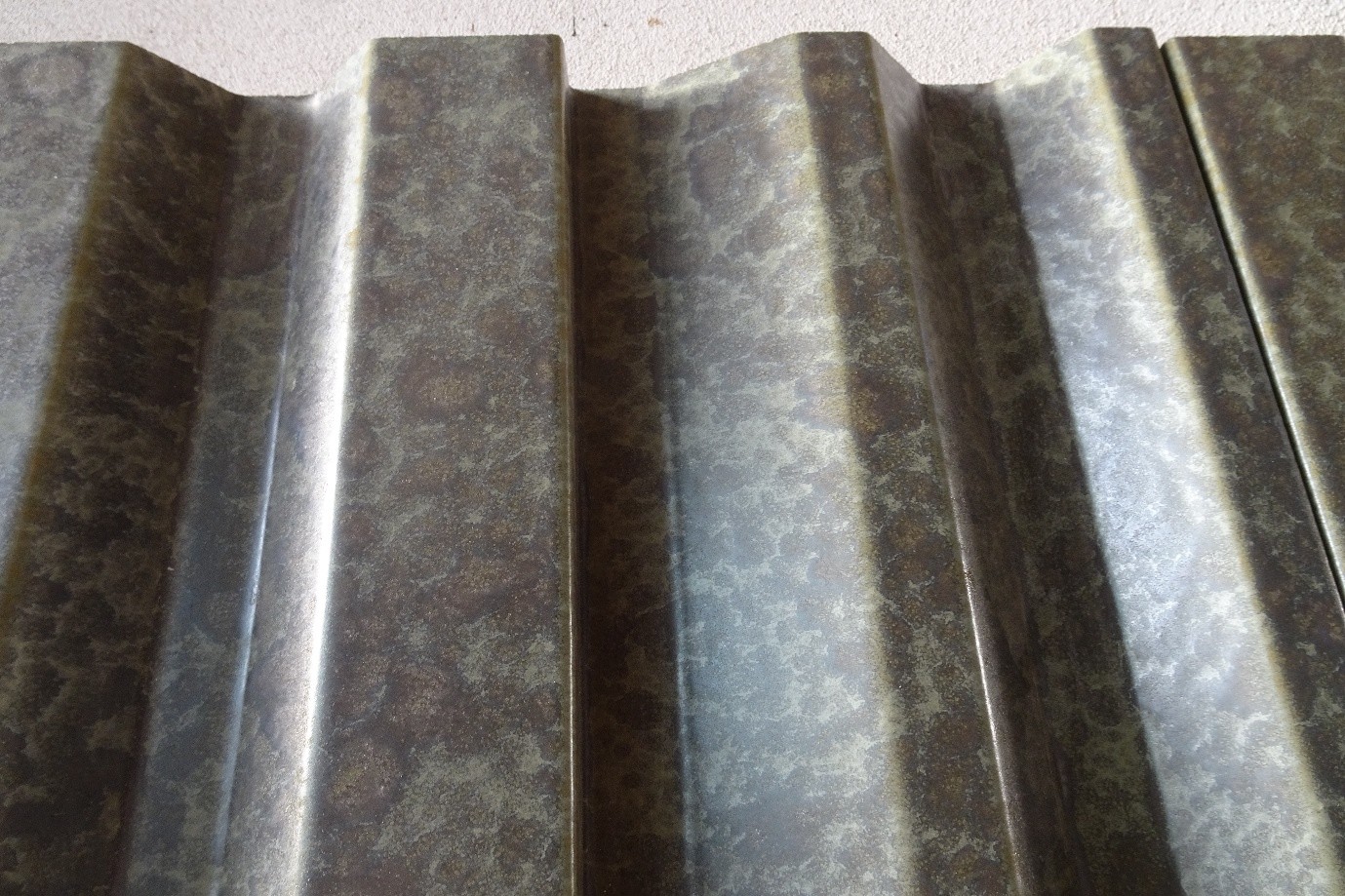
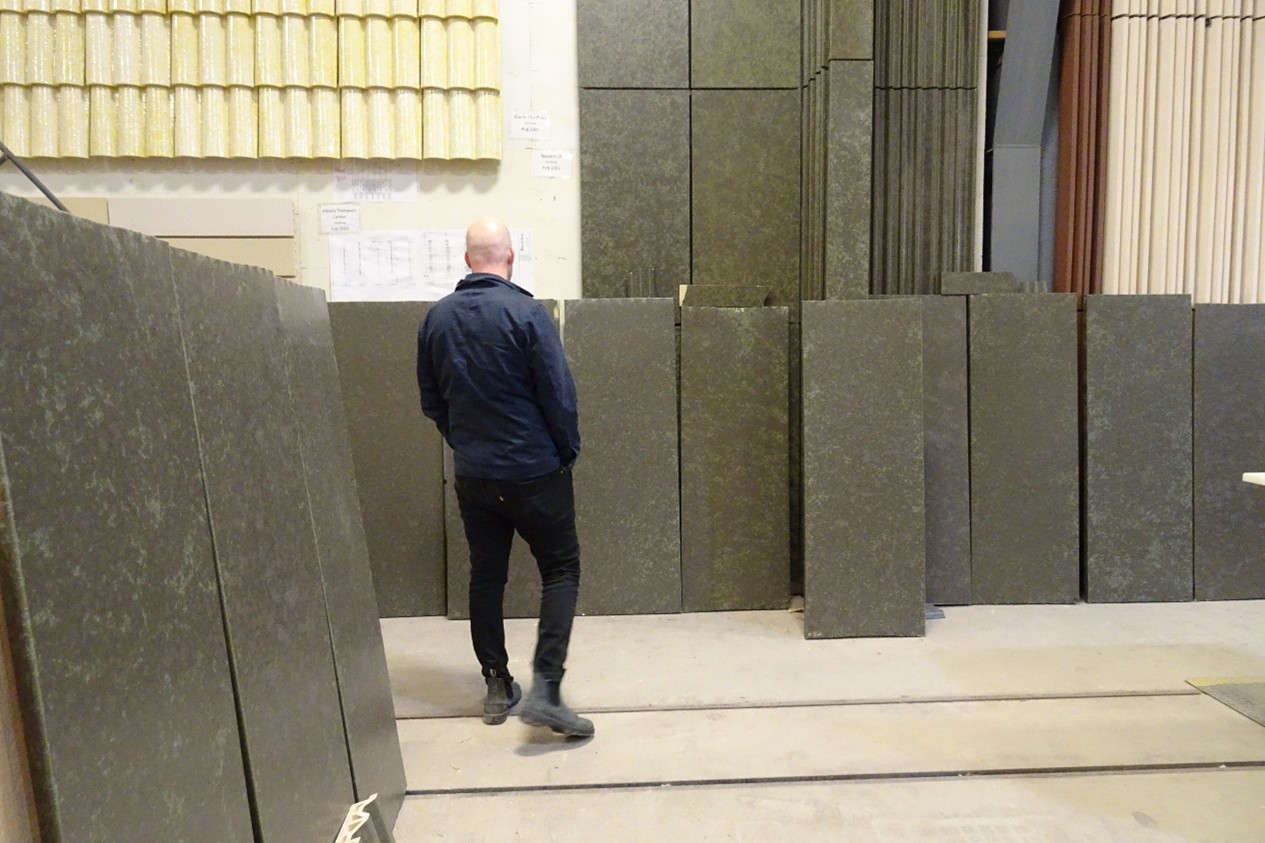
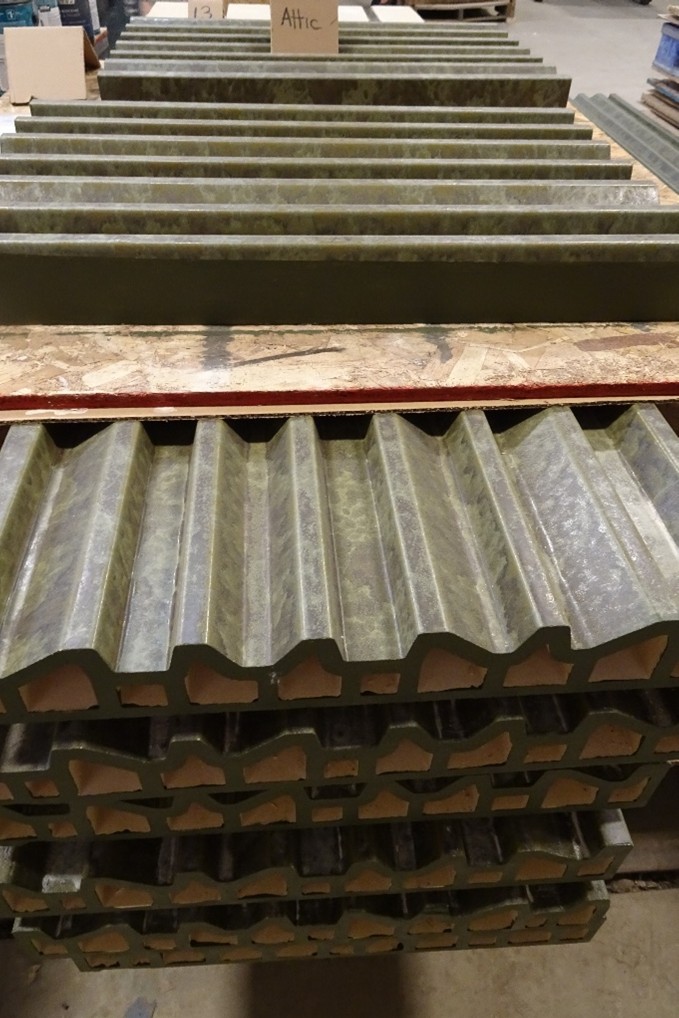
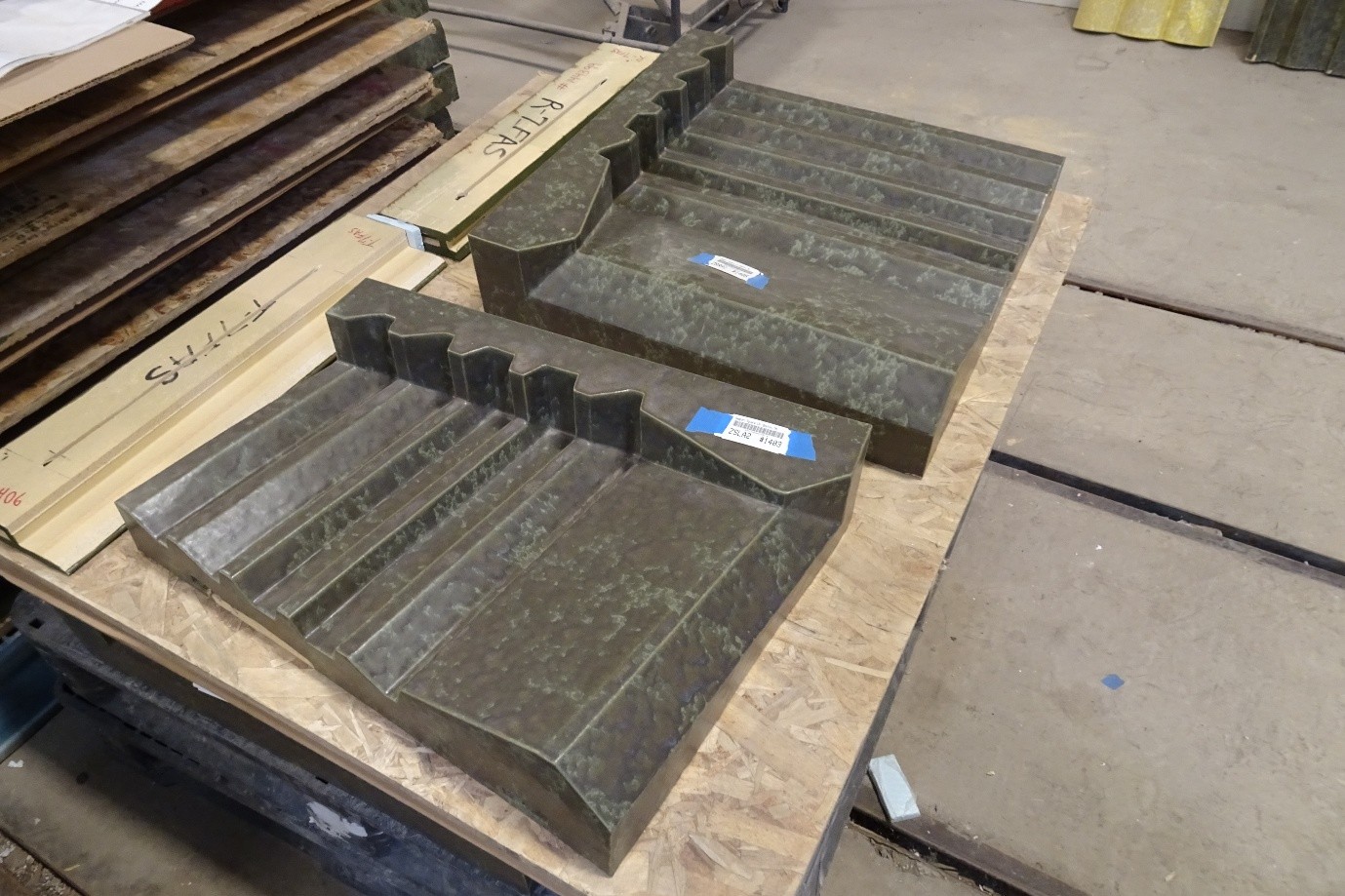
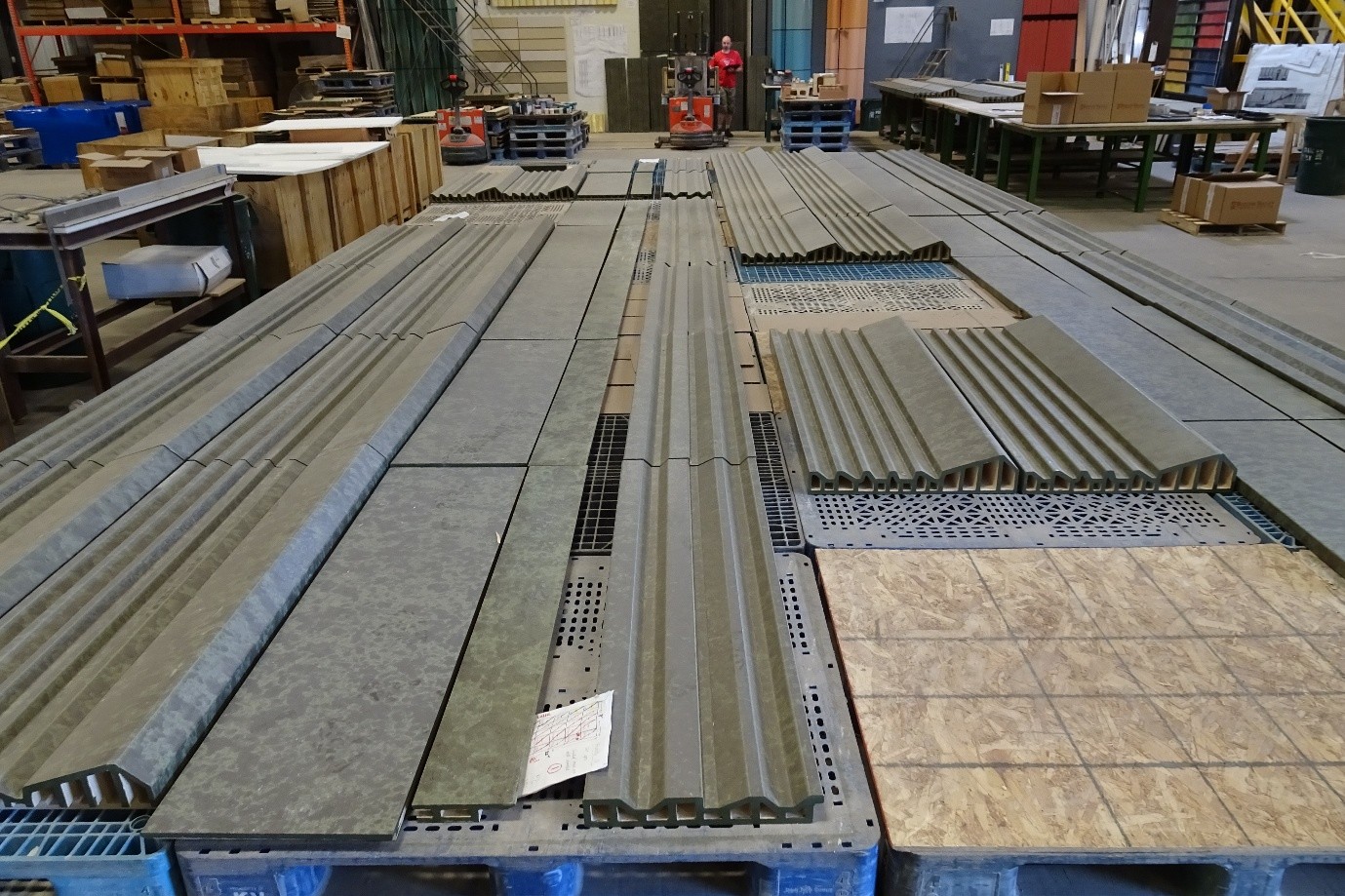
The client sought subtle variation between lighter and darker greens for the building’s terracotta podium, with a range of variation across the surface. They were interested in reflective qualities under different light conditions, a consistent texture, and material imperfections that impart character and favour irregularity.
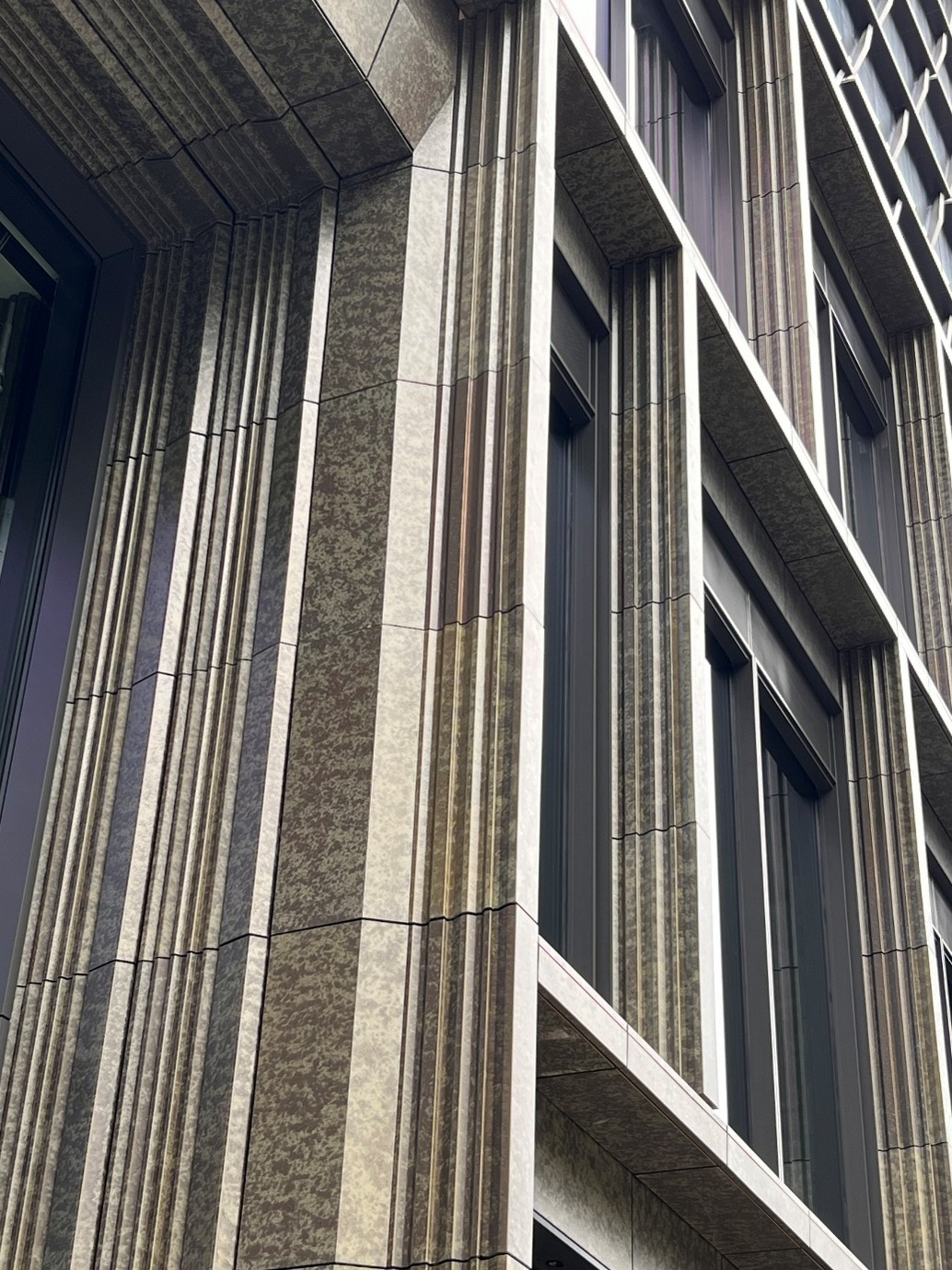
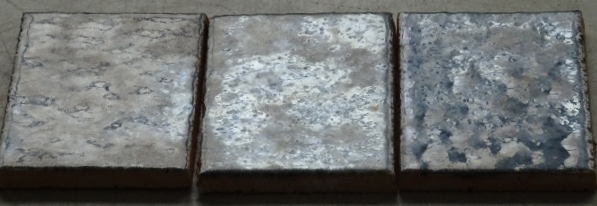
The glaze design process involved multiple iterations, developed in close collaboration with Christopher Dial, architect at Henning Larsen, and the WS Development team.
The outcome of the glaze research included playful experimentation and later refinement for industrial production. The glaze is suitable for a single firing process.
All façade materials are harmonised with the glaze.
CLIENT'S REVIEW THROUGHOUT THE PROCESS:
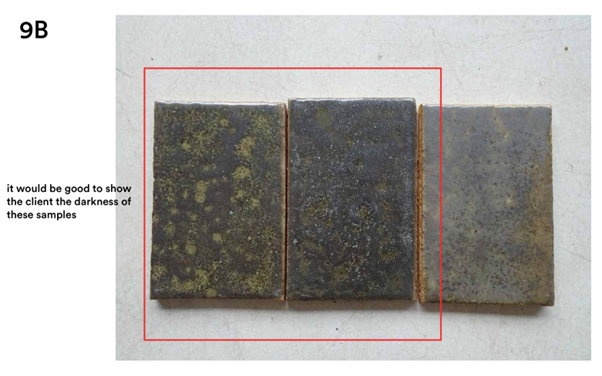
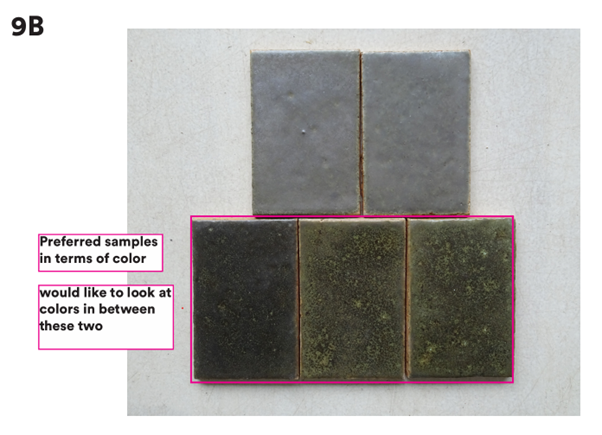
“Looking for light reflection in the dark tones.”
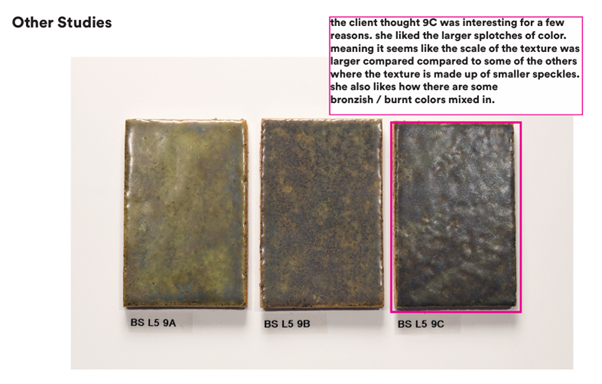
“Investigate the scale of texture for the reading of the texture from further away.”
“The subtler variations between lighter greens and darker greens is very interesting. This range of variation seems important to me.”
“The metallic coming through in an organic way, exactly what I was looking for.”
“Larger areas of contrasting colour – fluid and gradual.”
“Iridescent quality.”
“Hints of a metallic sheen in the darker tones.”




Aspects of my vision: Glazed architectural ceramics possess weight and soul, offering depth unavailable in many other materials. These properties provide the opportunity to deliver aesthetic quality and construct high-quality buildings. Technological advancements now allow for craftsmanship and detail to be matched at a high level. Rather than simply adding material to a building, the material should drive the form. Defining a contemporary aesthetic requires a flexible mindset and the willingness to approach materials differently.